
What Should I Do If I Chip a Tooth?
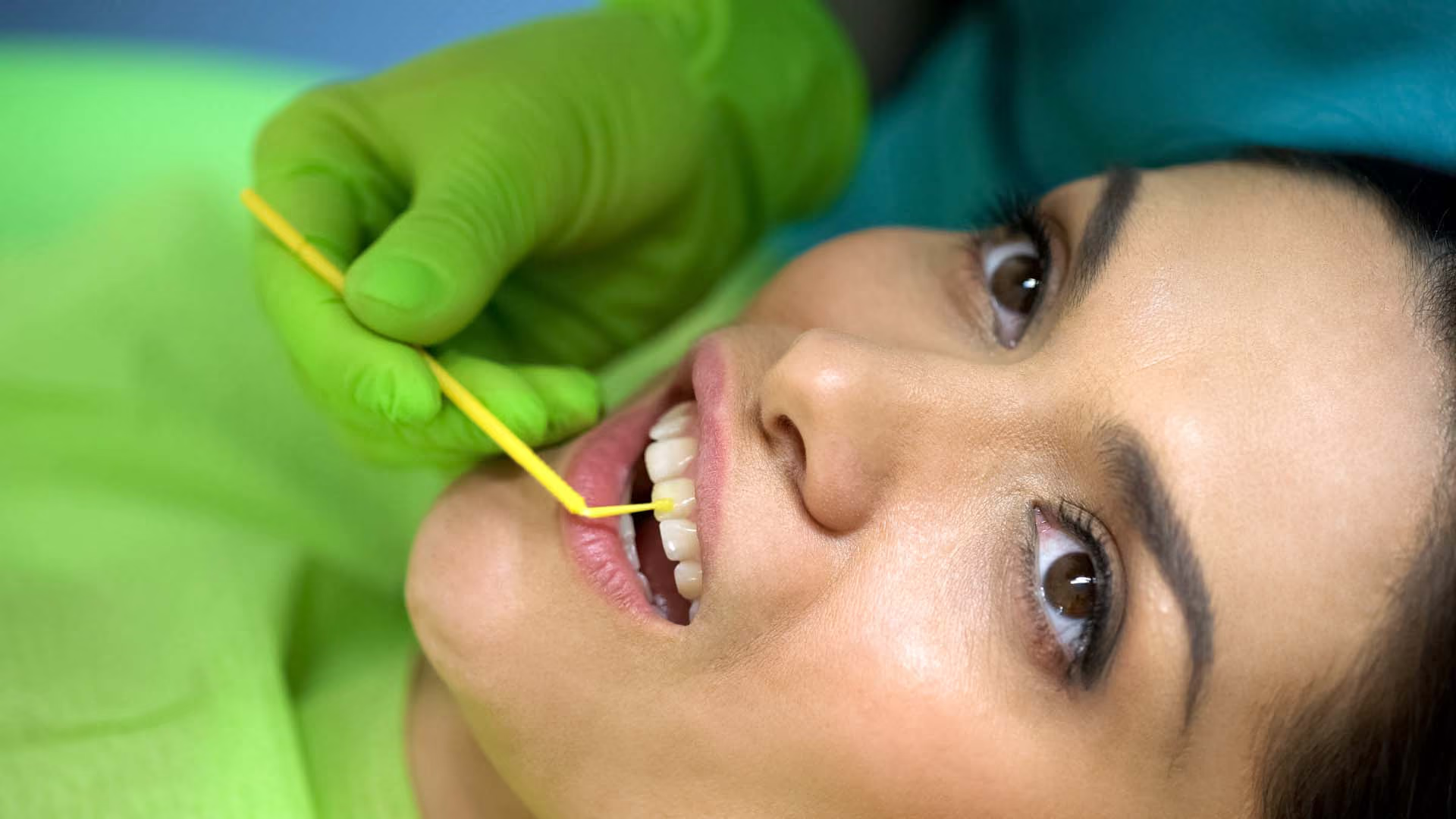
A chipped tooth isn't always a full dental emergency, but it's almost always worth a call to your dentist. The right first steps depend on how serious the chip is: a small cosmetic chip may be fine to address at your next available appointment, while a larger fracture involving pain, sensitivity, or a broken piece of tooth should be seen quickly. Knowing what to do in the first few minutes can protect the tooth and improve your treatment options.
First Steps After Chipping a Tooth
Whether the chip is small or serious, the same first steps apply:
- Rinse your mouth gently with warm water to clean the area
- Save any tooth fragments you can find — place them in a small container with milk or saliva
- Apply a cold compress to the outside of your face if there's swelling or pain
- Cover any sharp edges with dental wax or sugarless gum to protect your tongue and cheek
- Take an over-the-counter pain reliever if needed — but avoid placing aspirin directly on the tooth or gum, which can burn the tissue
- Call your dentist as soon as possible to describe what happened
How to Tell If Your Chip Is an Emergency
Not every chipped tooth needs same-day care. A small cosmetic chip with no pain and no sharp edges can usually wait a few days for a regular appointment. However, you should seek emergency dental care if you're experiencing any of these signs:
- Significant pain that doesn't respond to over-the-counter pain relief
- A large fracture that exposes the inner tooth (yellow dentin or pink pulp)
- Bleeding that continues for more than 10 minutes
- Sensitivity to hot, cold, or air that makes eating difficult
- A visibly loose tooth or misaligned bite following the injury
- A jaw injury that occurred at the same time
When any of these are present, calling an emergency dentist for same-day care is the right move to protect the tooth and stop the problem from getting worse.
Repair Options for a Chipped Tooth
The right treatment depends on how much of the tooth was chipped, where the chip is located, and whether the tooth is still healthy underneath. Common repair options include:
- Dental bonding — a fast, affordable option where tooth-colored composite resin is shaped and cured directly onto the tooth. Ideal for small to moderate chips on visible teeth.
- Porcelain veneers — a longer-lasting cosmetic option for front teeth with larger or repeated chips. Veneers cover the entire front surface of the tooth for a durable, natural-looking result.
- A dental crown — recommended when a chip is severe enough to weaken the tooth structure. A crown covers and protects the entire visible portion of the tooth.
- Reattachment — in rare cases, if you saved a large tooth fragment, it may be possible to bond it back onto the tooth
- Root canal followed by a crown — if the chip exposes the inner pulp of the tooth, a root canal may be needed before restoring the tooth
Your dentist will evaluate the chip and walk you through the best option for your situation, factoring in appearance, durability, and cost.
How to Prevent Chipped Teeth in the Future
Many chipped teeth are the result of preventable habits or unprotected activities. To reduce the risk of future chips:
- Wear a custom mouthguard during sports or high-impact activities
- Avoid chewing on hard objects like ice, popcorn kernels, hard candy, or pens
- Don't use your teeth as tools to open packages or bottles
- Address grinding or clenching early — a nightguard can protect teeth from the pressure of bruxism
- Keep up with regular dental checkups so weak spots or cavities can be caught before they cause a fracture
Talk to a Baltimore, MD Dentist About Your Chipped Tooth
Dr. Byron Desbordes, DDS provides prompt, gentle care for chipped teeth and dental emergencies for patients across Baltimore, Windsor Mill, Woodlawn, Catonsville, and Ellicott City. Whether you need same-day emergency care or a scheduled cosmetic repair, our team is here to restore your smile.
Call the office of Dr. Byron Desbordes, DDS at (410) 277-0138 for prompt care.