
What Causes Teeth to Stain? (And How to Fix It)
Teeth stain for a variety of reasons — from the foods and drinks we consume to natural aging, tobacco use, and certain medications. The good news is that most discoloration can be improved or reversed, often with professional teeth whitening. Understanding what's causing your stains is the first step to choosing the right solution for a brighter, more confident smile.
The Two Main Types of Tooth Stains
Not all stains are the same, and knowing which type you have helps determine the best treatment. There are two broad categories:
- Extrinsic stains — surface stains on the outer enamel, usually caused by food, drink, and tobacco. These respond well to whitening
- Intrinsic stains — deeper discoloration within the tooth, caused by factors like medication, injury, or aging. These are more stubborn and may need cosmetic treatments beyond whitening
Many people have a combination of both, which is why a professional evaluation is the best way to determine the right approach.
Common Causes of Tooth Staining
A wide range of everyday factors contribute to tooth discoloration. The most common include:
- Dark beverages like coffee, tea, red wine, and cola
- Deeply pigmented foods such as berries, tomato sauce, curry, and balsamic vinegar
- Tobacco use, which causes stubborn brown and yellow staining
- Natural aging, which thins the enamel and exposes the yellower dentin beneath
- Poor oral hygiene that allows plaque and surface stains to build up
- Certain medications, including some antibiotics and antihistamines
- Trauma to a tooth, which can cause it to darken over time
How to Fix Stained Teeth
The right solution depends on the type and cause of your staining. Fortunately, modern dentistry offers several effective options.
Professional Teeth Whitening
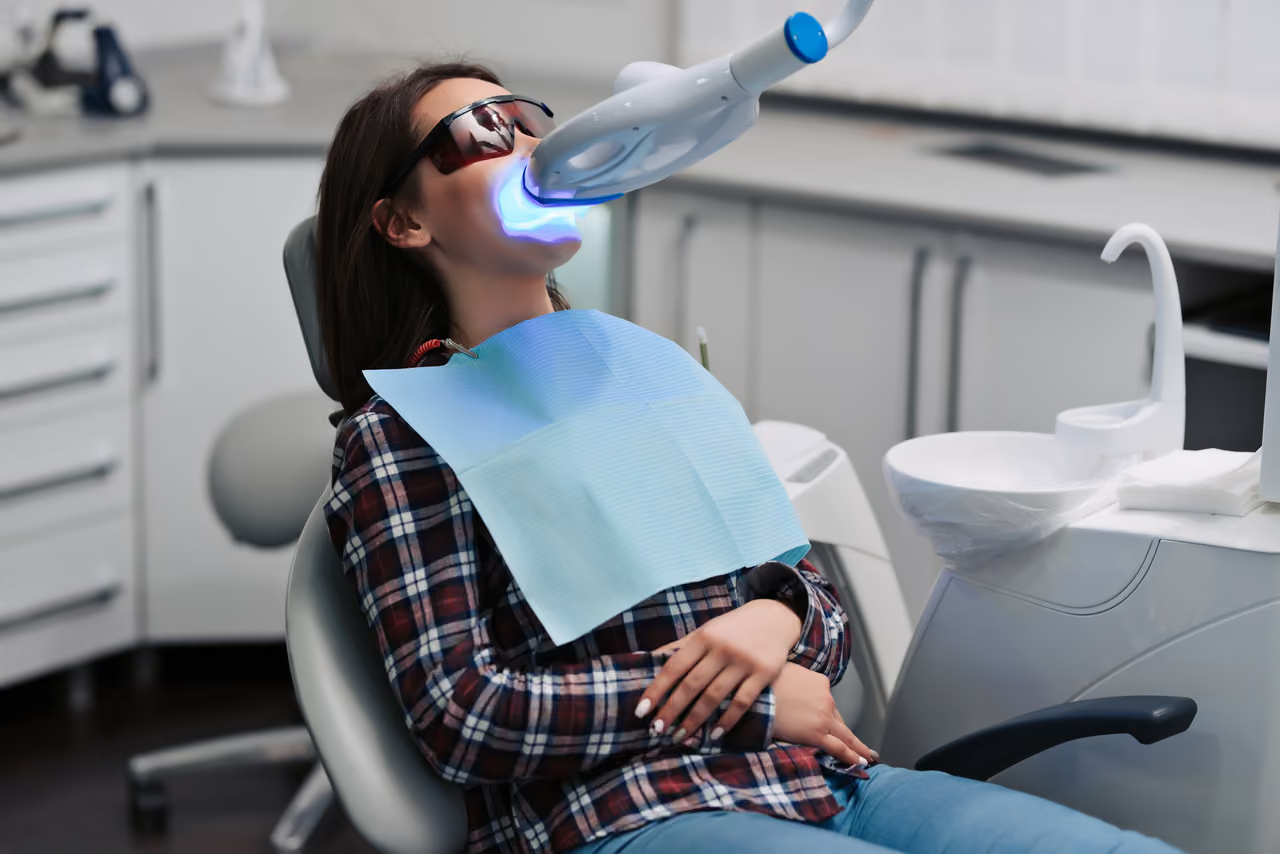
For most extrinsic (surface) stains, professional teeth whitening is the fastest and most effective solution. Professional whitening uses higher-strength whitening agents than over-the-counter products, reaching stains that strips and toothpastes can't. At the office of Dr. Byron Desbordes, DDS, whitening is available as an in-office treatment for fast results or as custom take-home trays for gradual brightening — often producing results several shades whiter in a single visit.
Veneers for Stubborn Stains
Some intrinsic stains — like those caused by medication, injury, or deep aging — don't fully respond to whitening. In these cases, porcelain veneers offer a permanent solution. Veneers are thin shells bonded to the front of the teeth, covering discoloration completely and creating a bright, uniform smile. They resist staining better than natural enamel and can last well over a decade.
Dental Bonding for Localized Stains
For a single discolored tooth or a localized stain, dental bonding can be an affordable, same-visit option. Tooth-colored resin is applied to cover the stain and blend with your surrounding teeth. Bonding is especially useful when staining is combined with a chip or small imperfection that needs correcting at the same time.
How to Prevent Tooth Stains
Once you've achieved a brighter smile, a few simple habits help keep it that way: rinse or brush after consuming staining foods and drinks, use a straw for dark beverages, avoid tobacco, and keep up with regular dental cleanings to remove surface stains before they set. These steps help your results last and keep new stains from forming.
Talk to a Baltimore, MD Dentist About a Brighter Smile
Dr. Byron Desbordes, DDS offers teeth whitening and a full range of cosmetic dentistry options for patients across Baltimore, Windsor Mill, Woodlawn, Catonsville, and Ellicott City. Whether your stains are on the surface or deep within the tooth, our team can recommend the right solution to brighten your smile.
Schedule your consultation with Dr. Byron Desbordes, DDS by calling (410) 277-0138 today.